Free Distilling Tools

DistilCalc ABV Dilution Calculator

Find exactly how much water to add to bring your distillate down to your target strength.

Water Addition Calculator

Enter your current volume, ABV, and desired target ABV

Precise mode uses OIML density tables to correct for ethanol-water volume contraction. Recommended for bottling at a specific ABV.
mL
Volume of your distillate
%
ABV straight off the still
%
Your desired final strength
Water to Add
mL
Final Volume
mL
OIML correction adds more water than the standard formula, correcting for ethanol-water volume contraction.
Always verify your final ABV with a calibrated hydrometer or alcoholmeter at 20°C before bottling.

Recommended: A calibrated hydrometer is essential for verifying your diluted ABV before bottling. Always measure at 20°C.As an Amazon Associate we earn from qualifying purchases.

View on Amazon →

How the Dilution Formula Works

When you dilute a spirit, the total mass of alcohol stays the same — you're just adding more liquid around it. The Standard mode uses the classic volumetric formula:

Water to Add = Current Volume × (Current ABV − Target ABV) ÷ Target ABV

This works well for most home distilling. However, ethanol and water are not ideal liquids — when they mix, hydrogen bonds form between molecules, causing the total volume to contract by roughly 1–3%. Precise (OIML) mode corrects for this using official density tables:

Water Mass = (Final Volume × ρ_target) − (Current Volume × ρ_current) → converted to mL at 20°C

Where ρ values are densities looked up from OIML R22 tables. This is the same calculation used by customs and excise authorities worldwide for legal verification of spirits strength.

When to Use Each Mode

Use Standard mode when doing a rough batch dilution and you will measure the final ABV with a hydrometer before bottling anyway. It is accurate enough for most purposes and gives results in seconds.

Use Precise (OIML) mode when you need to hit a specific regulated ABV for bottling — such as exactly 40.0%, 43.0%, or 46.0% ABV. The difference between modes is typically 10–30 mL per litre, which can push a batch above or below a legal threshold. For serious bottling, always use Precise mode and still verify with a hydrometer at 20°C.
More Distilling Calculators

Frequently Asked Questions

The standard formula is: Water to Add = Current Volume × (Current ABV − Target ABV) ÷ Target ABV. For example, to dilute 1000 mL at 65% ABV down to 40% ABV: 1000 × (65 − 40) ÷ 40 = 625 mL of water. For bottling at a precise legal strength, use OIML Precise mode which corrects for ethanol-water volume contraction.

OIML Precise mode corrects for the fact that ethanol and water contract slightly when mixed — typically 1–3% volume reduction. Use it when bottling at a specific strength such as exactly 40.0% or 46.0% ABV, or for legal compliance. For casual dilution where you will verify with a hydrometer, Standard mode is sufficient.

When ethanol and water mix, hydrogen bonding causes the combined volume to be slightly less than the sum of both volumes. Standard mode ignores this contraction. OIML Precise mode uses official density tables to calculate the true mass of ethanol. The difference is typically 10–30 mL per litre.

Yes — always verify with a calibrated alcoholmeter at 20°C before bottling. Temperature, water mineral content, and measurement precision can all introduce small errors. The calculator gives the correct theoretical quantity to add; a final measurement ensures accuracy.

From the Maker

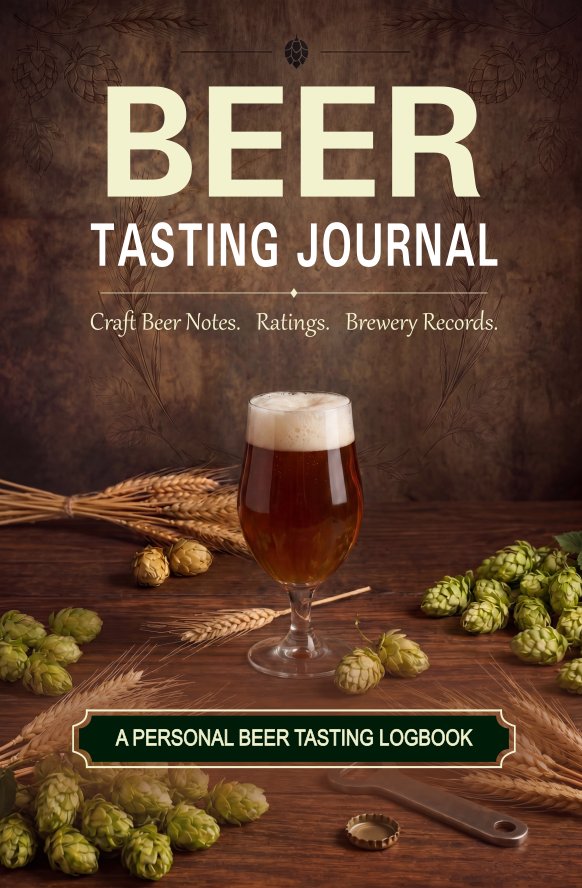
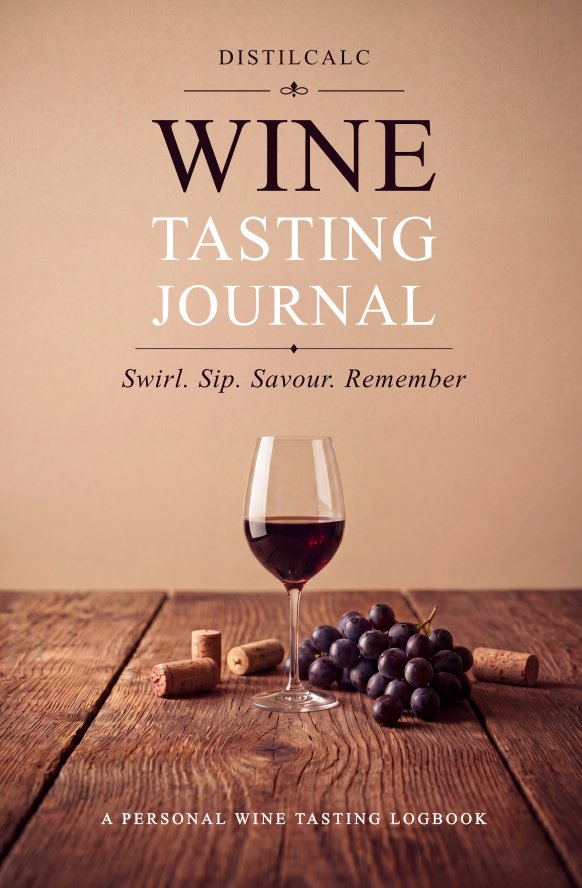
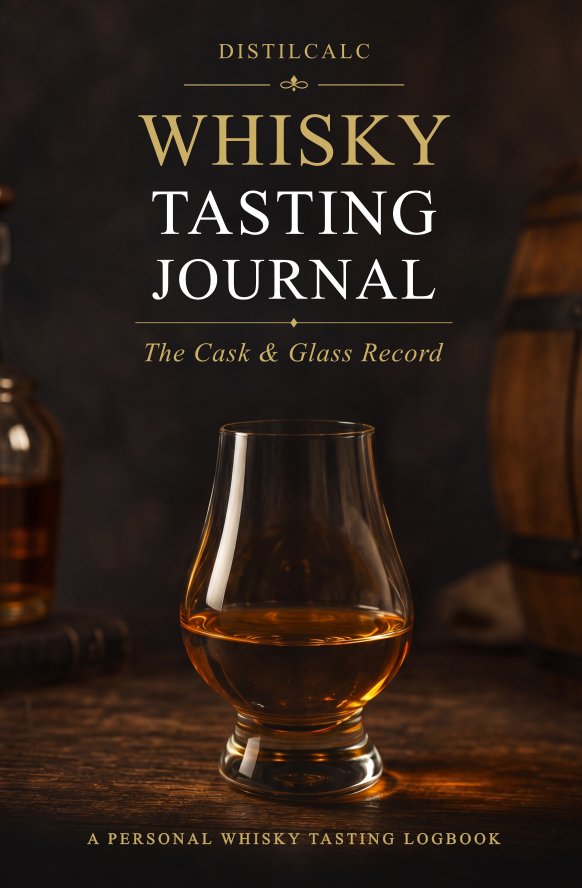
Books & Journals by DistilCalc

A handbook and structured tasting journals — written and designed alongside the calculators, for serious home brewers, distillers and enthusiasts.

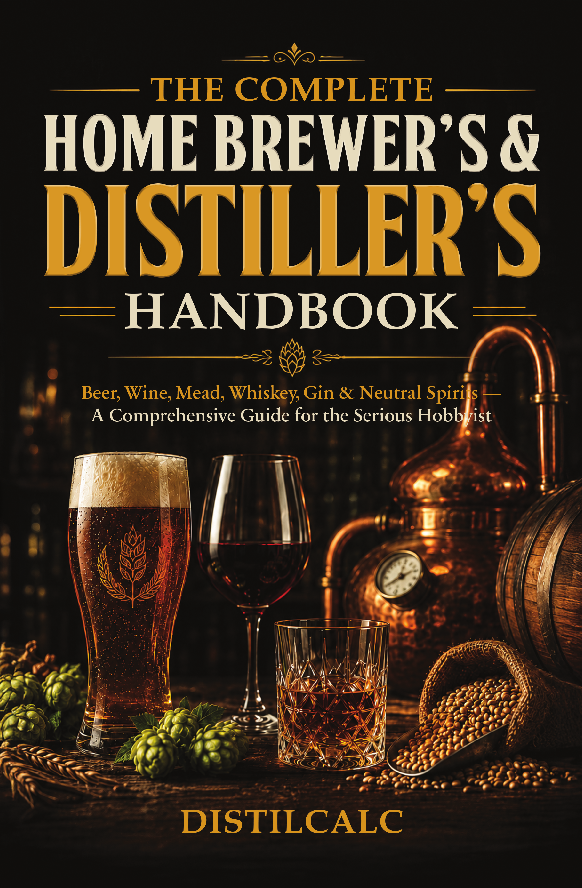
The Complete Home Brewer's and Distiller's Handbook cover
The Complete Home Brewer's & Distiller's Handbook
Beer, Wine, Mead, Whiskey, Gin & Neutral Spirits
A comprehensive guide covering the complete brewing and distilling process — fermentation science, mash temperatures, spirit cuts, oak aging, safety, and more. The reference book to keep next to your still.

As an Amazon Associate we earn from qualifying purchases · no extra cost to you · View journal page

Knowledge Base

Distilling Guides & Reference Articles

In-depth guides written for home distillers and craft producers — from reading a hydrometer to making clean spirit cuts.

Technique
Measurement
Fermentation
Craft & Aging